

Are Custom Engagement Rings More Expensive?
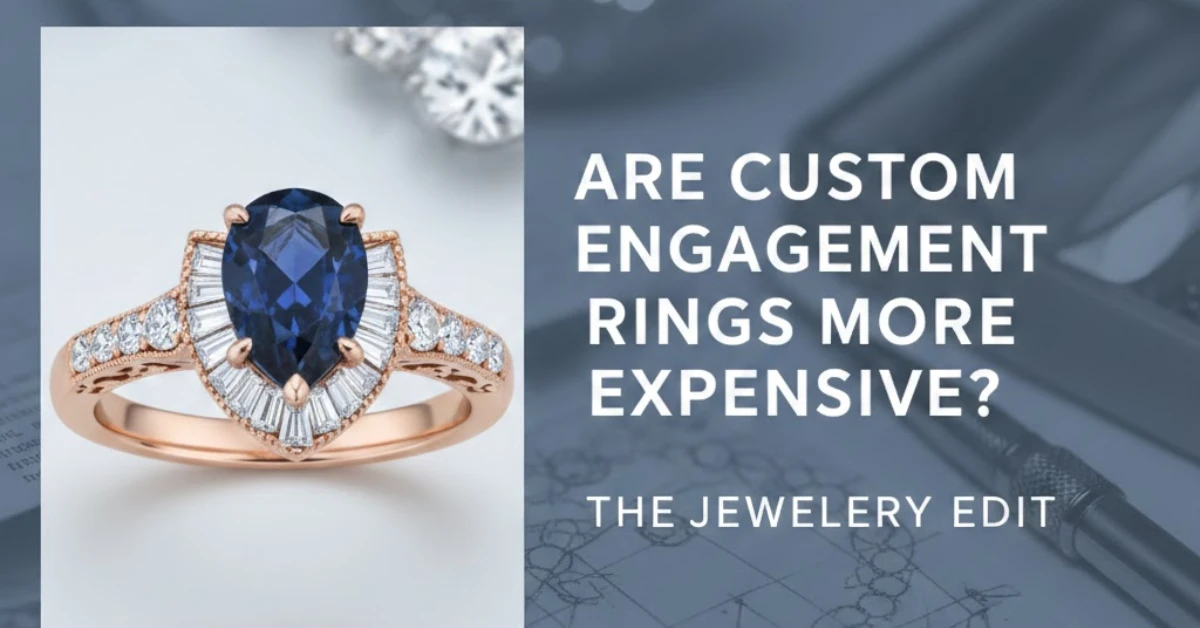
Are Custom Engagement Rings More Expensive?
Custom engagement rings have become increasingly popular as couples look for something personal and meaningful rather than mass-produced. A custom ring allows you to design every detail, from the stone and setting to the metal and finishing touches. However, one question almost every buyer asks is whether custom engagement rings are more expensive than ready-made ones.
The answer is not as simple as yes or no. In reality, the cost of a custom engagement ring depends on several factors, including design complexity, materials, labor, and the jeweler you work with. Understanding how pricing works helps you decide whether custom is worth it for your budget.
What Is a Custom Engagement Ring?
A custom engagement ring is designed specifically for you rather than selected from a pre-existing collection. The process usually involves working with a jeweler to create a unique design based on your preferences, lifestyle, and budget.
Custom does not always mean extravagant or overly complex. Some custom rings are minimal and simple, while others are highly detailed. The level of customization directly influences cost.
Why People Choose Custom Engagement Rings?
Many couples choose custom engagement rings because they want something unique. A custom ring often reflects personal stories, values, or symbolism that mass-produced rings cannot capture.
Others choose custom because they want control over quality. You can select the exact diamond, metal, and setting rather than accepting preset options. This transparency often leads to better satisfaction.
Factors That Make Custom Rings More Expensive
Some custom engagement rings do cost more, especially when certain factors are involved. One major factor is design complexity. Intricate settings, hand engraving, or unique structural elements require more labor and expertise.
Another factor is material selection. Rare gemstones, high-carat diamonds, or premium metals like platinum increase cost regardless of whether the ring is custom or ready-made.
Factors That Can Make Custom Rings More Affordable
Custom rings can also be budget-friendly when designed thoughtfully. Working directly with a jeweler allows you to control each element and avoid unnecessary costs.
For example, you can prioritize diamond cut over size, choose near-colorless stones instead of top color grades, or select a simpler setting. These decisions often reduce cost without sacrificing beauty.
Custom vs Ready-Made Rings: Price Comparison
Ready-made engagement rings are priced for convenience and display. They include retailer margins, branding costs, and inventory expenses. This can make them more expensive than their actual material value.
Custom rings are priced based on materials, labor, and design time. When branding costs are removed, custom pricing can be more transparent and fair.
Labor Costs in Custom Engagement Rings
One reason custom rings may cost more is skilled labor. Hand-crafted designs require expert jewelers, CAD designers, and stone setters. This craftsmanship adds value but also cost.
However, this labor directly contributes to durability, fit, and finish. Unlike factory-produced rings, custom rings are built with individual attention.
Does Custom Mean Better Quality?
Custom engagement rings often result in better quality control. Since the ring is made for one client, jewelers focus more on precision and finish. Stones are selected intentionally rather than in bulk.
In contrast, ready-made rings are produced in large quantities. While many are well-made, quality can vary. Custom work allows you to inspect and approve each step.
Diamond Choice and Its Impact on Cost
The diamond is usually the most expensive part of an engagement ring. Custom rings allow you to choose your diamond independently, which can significantly impact price.
You can adjust carat, cut, color, and clarity based on what matters most to you. Many buyers save money by choosing a slightly lower color or clarity that still looks stunning.
Metal Choice and Design Influence
Metal selection also affects cost. Platinum is more expensive than gold, and higher gold purity costs more than lower purity. Custom design lets you choose what fits your budget and lifestyle.
Design elements like halos, side stones, or pavé settings add cost due to extra stones and labor. A simple solitaire is usually more affordable, custom or not.
Time and Process: Does Custom Take Longer?
Custom engagement rings usually take longer to create than buying off the shelf. The design, approval, and production process can take several weeks.
Time does not necessarily mean higher cost, but it requires planning. Rushing a custom design may increase cost if expedited work is required.
Are Designer Rings More Expensive Than Custom Rings?
Designer engagement rings are often more expensive than custom rings with similar materials. This is because you are paying for brand recognition, marketing, and exclusivity.
Custom rings, on the other hand, focus on craftsmanship rather than branding. Many buyers discover they can recreate designer styles at lower cost through custom jewelers.
Is Custom Worth the Money?
Whether a custom engagement ring is worth it depends on what you value. If uniqueness, emotional meaning, and control matter to you, custom is often worth the investment. If convenience and speed are priorities, a ready-made ring may suit you better.
Common Myths About Custom Engagement Rings
One common myth is that custom rings are only for high budgets. In reality, custom rings can be designed at almost any price point.
Another myth is that custom rings are risky. Reputable jewelers provide sketches, 3D renders, and approvals before production, reducing uncertainty.
Conclusion: Are Custom Engagement Rings More Expensive?
Custom engagement rings are not inherently more expensive than ready-made rings. Their cost depends on design choices, materials, and craftsmanship rather than customization itself. In many cases, custom rings offer better value, transparency, and satisfaction. Customization is about choice and meaning, not just price.
Womens Engagement Ring : How Much Does it Cost?
All the beautiful sparkles of the breathtaking sparkle of a diamond ring. Diamonds are always the go-to when proposing marriage or marking a milestone anniversary, you won’t be shocked to hear.
But, how much does a diamond ring cost?
According to the average cost, the price of an engagement ring comes to $5,800. It also turns out that of those surveyed, 25 percent of people spend between $1,000 and $4,000 on a ring. Americans’ 7 percent 'Big Spenders' spent upwards of $10,000.
Why is the price so all over the place? Continue below for factors that influence the price of a ring, along with how to select a reasonable price range for you, and how to get up to $1,000 credit toward purchase with Accrue Savings.
Factors Affecting Diamonds Ring Cost
The price of diamond rings highly depends on the numerous factors that influence the diamond rings cost. These include:
The 4Cs of Diamonds
Fine diamonds are categorized based on the “4 Cs”: cut, color, clarity and carry weight. They decide how good and worth the diamond is.
VISIT FOR :: jewelry manufacturers usa
Carat Weight
A diamond’s carat weight is its physical weight in carats. As most folks think it isn't the size. Diamond mass = 200 milligrams (200 mg) or 1 carat (1ct). While two diamonds with the same carat weight can have the same or different size, and therefore might appear larger or smaller depending on their shape and cut.
Your diamond ring will cost an increasing amount depending on how much carat weight within that metal. If you shop at a retail store, expect to spend $6,500 to $7,500 for a high quality 1-carat diamond engagement ring, $3,000 to $4,000 online, and over $10,000 for a piece at a jewelry store.
Cut of Diamond
Proportions, symmetry, polish are just a few of the things the diamond’s cut quality exists of. A jeweler determines if it is set at precise angles and facets and determines the diamond’s brilliance.
A well cut diamond refract light much better than a poorly cut diamond thereby creating more intense sparkle and fire. A cut grade is only given for round diamonds: however, the best and most expensive will be ‘very good’ or ‘excellent’.
Color
Diamond color is rated on a scale ranging from D (colorless) to Z (light yellow) according to whether the diamond is colorless or not. The best quality, most valuable and which have the D to F rating, are lass colorless diamonds.
The farther down the grading scale you get, the more subtle yellow or brown hues (in the months where the diamond is being cut) you get and the less expensive they are. A diamond’s color is assigned a number in the American Gem Society Color Grade Scale, where 0 would be completely colorless, and 10 would be light yellow.
Clarity
Its measure of purity and rarity, and the clarity in which inclusion and blemishes are viewed within a diamond is its clarity. Minor imperfections naturally occurring when a diamond forms but which do not impair a diamond’s ability to sparkle are called inclusions; a surface defect which is a scratch, chip, not having a cutting edge, etc., not a blemish caused by abrasive force, does are known as blemishes.
Six grades of diamond clarity on the GIA Diamond Clarity Scale include Flawless (FL) up to Included (I-3). Price tag of Included diamonds is lower because when you look at them under 10x magnification, they have visible inclusions and consequently, they are the least popular diamonds.
Other Factors that Determine the pPice of the Diamond Ring
There are of course some other factors besides the 4Cs that can impact the price of your diamond ring. The ring you want, handed in diamond shape, with metal choice, ring design, and the brand you choose to carry all bloom into the cost factor of your dream engagement ring.
Shape
A diamond shape is the stone’s geometric appearance categorized into two main categories: Round brilliant or fancy. The most expensive shapes are round diamonds. The modern round brilliant cut which maximizes brilliance, fire and scintillation has 58 facets. On all facets light reflects, refracts and disperses off, creating intense sparkle. Instead, princess, cushion, pear, are more affordable than traditional shapes.
Type of metal
The design of your ring band and setting will also impact the cost of your diamond ring, of which the metal you choose for both (setting and band) will factor into the whole. For example platinum, 18K yellow gold, 14K white gold, rose gold and mixed metal.
VISIT FOR :: how much is a 14k gold ring worth
Platinum is the most expensive and the most durable metal; yellow and white gold are also expensive. The least expensive of all is rose gold. White gold must be replated with lots of rhodium every one to two years to maintain its bright white hue.
Ring design
The more intricate the shape of the design the more expensive it gets. Classic solitaire engagement ring designs have one diamond in the center, three stone settings have two diamonds on either side of the center stone.
Also increasing the cost will be unique design elements including decorative metalwork, diamond accents and details, intricate side stones, milgrain edges, and engraving.
Brand
You’re definitely looking for a quality guarantee and your craftsmanship when it comes to branded jewelers, but you’ll pay the price. But there may also be some other benefits to choose from for established brands — complimentary cleaning and repair services as well as an extended warranty to protect your investment.
A Quick Glance at Engagement Ring Prices by Geographical Region
The price of engagement rings varies depending on size and quality of diamond, type of metal used in the ring band and the setting, plus complexity of the design. A diamond that has been colorless will be more expensive than a diamond with a less raved color grade even with visible inclusions.
The average price range of a one carat diamond ring runs between $2,500 and $18,000 depending upon the cut, clarity, color, and carat weight of the stone. The cost of a 2-carat diamond ring depends on the amount it costs, between $8,400 and $58,000. The cost of a 3 carat diamond ring varies from $21,000 to $153,000. Where you get your diamond ring can matter greatly to the bottom line.
In the End
There’s no reason a tight budget shouldn’t get in the way of you getting the diamond ring of your dreams. Accrue Savings lets you save for your dream ring and other big ticket items easily and without stress to fit your lifestyle.
The Average Cost of an Engagement Ring
How to buy an engagement ring is a matter of personal choice. Some marketers may try to convince you to spend more than you had originally intended. The suggestion of two to three months salary is nothing but a marketing ploy propagated by the diamond industry.
Instead, you should think about how to get a ring in your budget.
If you’re preparing for your proposal, it’s a very exciting time, and you want a beautiful ring to make it all happen (our tips on how to choose one are here). True, an engagement ring is the most special gift you will ever buy. It's a symbol of your love and that you're choosing to live life with someone else.
What About an Engagement Ring? Should You Spend this Much?
The answer is as much practical as it is romantic: Only spend what you can afford without long term debt. You may have heard something like ‘spend at least two or three months’ salary,’ but that’s more marketing than real advice. ‘It doesn't account for stagnation of wages, rising prices, and new trends in how students are taking on debt.’
VISIT FOR :: necklace manufacturer
No one knows for certain what the average cost of an engagement ring is, but surveys of buyers often find an average spending range of between $4,000 and $8,000. Nevertheless, it is important to stress that spending $5,000 - or above that - isn't necessary.
However, this average is skewed by those that invest 10k or more on their rings to get a higher average. To invest in an engagement ring, you need to think about the below mentioned things first.
Your actual income, and an estimate of your future income.
Like your regular bills: rent, utilities, food, medical care
Your current credit card debt
Car, student and home loans are your longer term debt
(Rings prices vary dramatically around the country from place to place)
How much you have in savings
Large future expenses
If this is going to be a joint debt, you’re going to need your partner’s opinions
What are the 4C’s?
4Cs stand for the 4 basic characteristics that are associated with the quality of any diamond and are considered in the assessment and characterization of a particular diamond. These generally accepted standards were created by The Gemological Institute of America (GIA). The 4Cs consist of:
1. Diamond Carat Weight
Often a diamond is referenced to their weight which is called the carat weight. One carat equals exactly £200 milligrams, one fifth of one carat. Along with round diamonds, the bigger the carat weight of a diamond, the larger the size and the more expensive.
This guide will point you in the direction of the right diamond for any size.
0.25–0.50 carat: Ideal for minimizing flaws. Make sure to concentrate on cut and color and choose Very Good or Ideal cuts for brilliance.
0.75 - 1 Carat: Still conceals faults. Choose SI1 or SI2 clarity and pick. Sparkling cuts are very good or ideal cuts.
1.25-1.5 carats: Again, cut and clarity are more paramount. For a perfect look, try for VS2 clarity or better.
2-4 Carat: For a wonderful show, look for eye clean diamonds with a minimum of VS 1 clarity.
5 And More Carat: Each detail counts. Any selection of a diamond with excellent cut, symmetry, and polish will assure you have diamonds for unparalleled elegance.
2. Diamond Cut:
The cut is the way in which a number of diamond facets interact with light. Be sure to understand that it measures the diamond's sparkle and brilliance with a grade that ranges from "Excellent" to "Poor."
Ideal/Excellent Cut diamonds: They are also precision cut to reflect light beautifully and are full of sparkle and beauty. Discover your drawing turned on in all aspects and bring into the spotlight the brilliance and clarity. For those looking for heights of diamond beauty.
Good/Deep Cut Diamonds: You’ll experience brilliant spark and depth. These are great for people wanting a quality diamond on a budget with their stunning shine, balanced symmetry and brilliant polish.
Poor Cut Diamonds: Not having sparkle or symmetry, these diamonds are dull, with uneven surfaces. Good for people who still need a little cheap diamond.
VISIT FOR :: how much is 14k gold bracelet worth
3. Diamond Color:
Colorless, a pure diamond has no imperfections or blemishes. Impurities such as nitrogen give the diamond undesired yellow or brown tones and this is color rated on a scale of letters from D to Z.
D-F Colorless Diamonds: On the other hand, these diamonds are the purest and at the same time most valuable, since they are almost colorless. Minimally colored, F grades may only be visible to experts.
G-J Near Colorless: The first glance at these diamonds they appear clear but may give lesser colored attracts from under.
K-M Faint Color Diamonds: The perfect choice for those fans looking for an injection of color on a budget. These jewels have a simple charm, many of which have delicate hues.
N-R Very Light Yellow Diamonds: Learn the charm of very light yellow diamonds offering soft beauty and fire at an inexpensive rate. Great for adding color without killing the wallet.
S-Z Light Yellow Diamonds: Find light yellow diamonds that are superb color and rich in value. Good for people who like color and brilliance.
4. Diamond Clarity:
The Gemological Institute of America (GIA) says clarity rates where a diamond has internal (inclusions) or external (blemishes) defects. The assessment evaluates diamonds which have no defects visible even to 10x magnification, to diamonds which have inclusions and/or imperfections that are visibly apparent to the naked eye.
Internally Flawless (IF): This looks nearly flawless, under magnification there are no discernible defects. Perfect for people who can’t compromise on the lab grown durability of their diamond.
Very Very Slightly Included (VVS1,VVS2): To the naked view these diamonds are flawless, they look perfect. The good quality of these fossils may show only little inclusions under magnification.
Very Slightly Included (VS1,VS2): Look for diamonds that have some minor inclusions, but we can only see them under close observation. For people searching for nearly perfect jewels at an excellent price.
Slightly Included (SI1,SI2,SI3): The naked eye can see little flaws and inclusions.
In the End
Understanding wants versus needs isn’t quite as black and white anymore as it used to be — traditional notions of what constitutes monthly wages are being replaced with more personalized budgeting strategies. More and more couples are now opting for more budget friendly options, especially ones with lab grown diamonds.
The biggest perk of lab grown diamonds is that you get the exact same impeccable quality as mined diamonds but at a much cheaper price point. With higher quality, ethical sourcing, and loads more variety, they are a guilt free choice for put together consumers.
Recent Posts
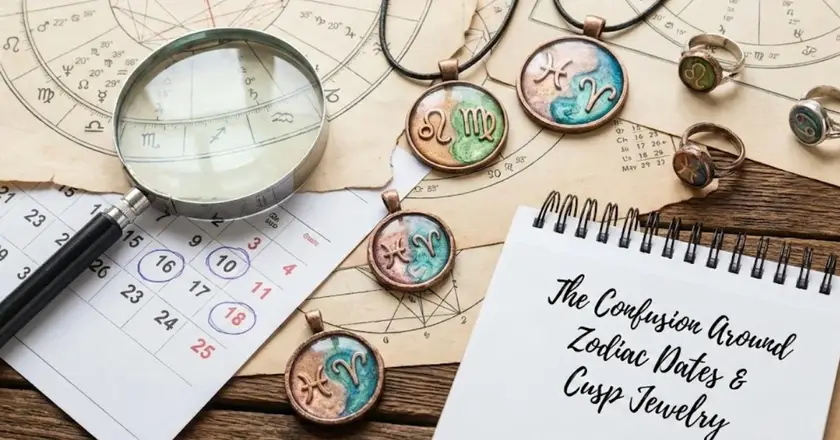
The Confusion Around Zodiac Dates and Cusp Jewelry
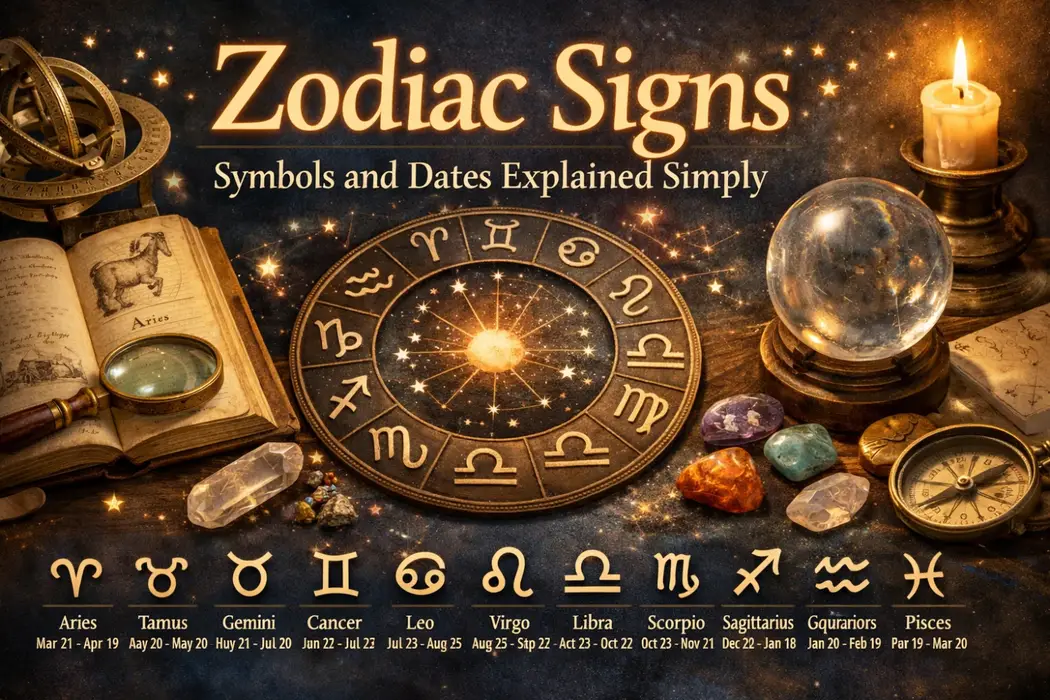
Zodiac Signs Symbols and Dates Explained Simply

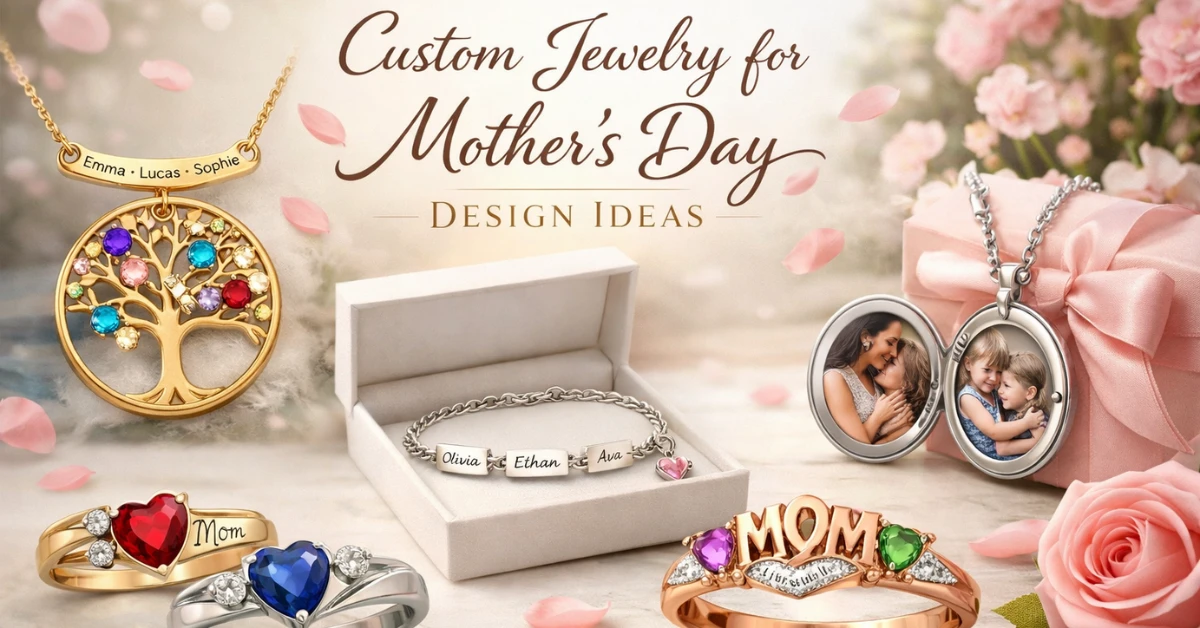
Custom Jewelry for Mother's Day Design Ideas

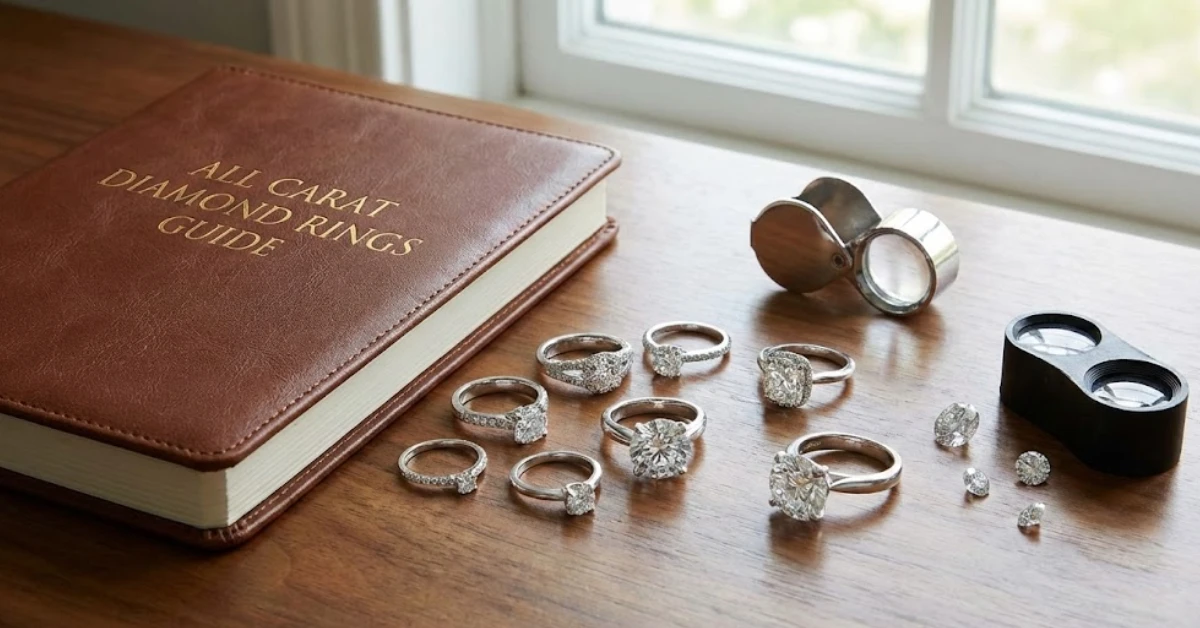
All Carat Diamond Rings Guide
Top 20 Custom Jewelry Jewelers in Orange County
Related products
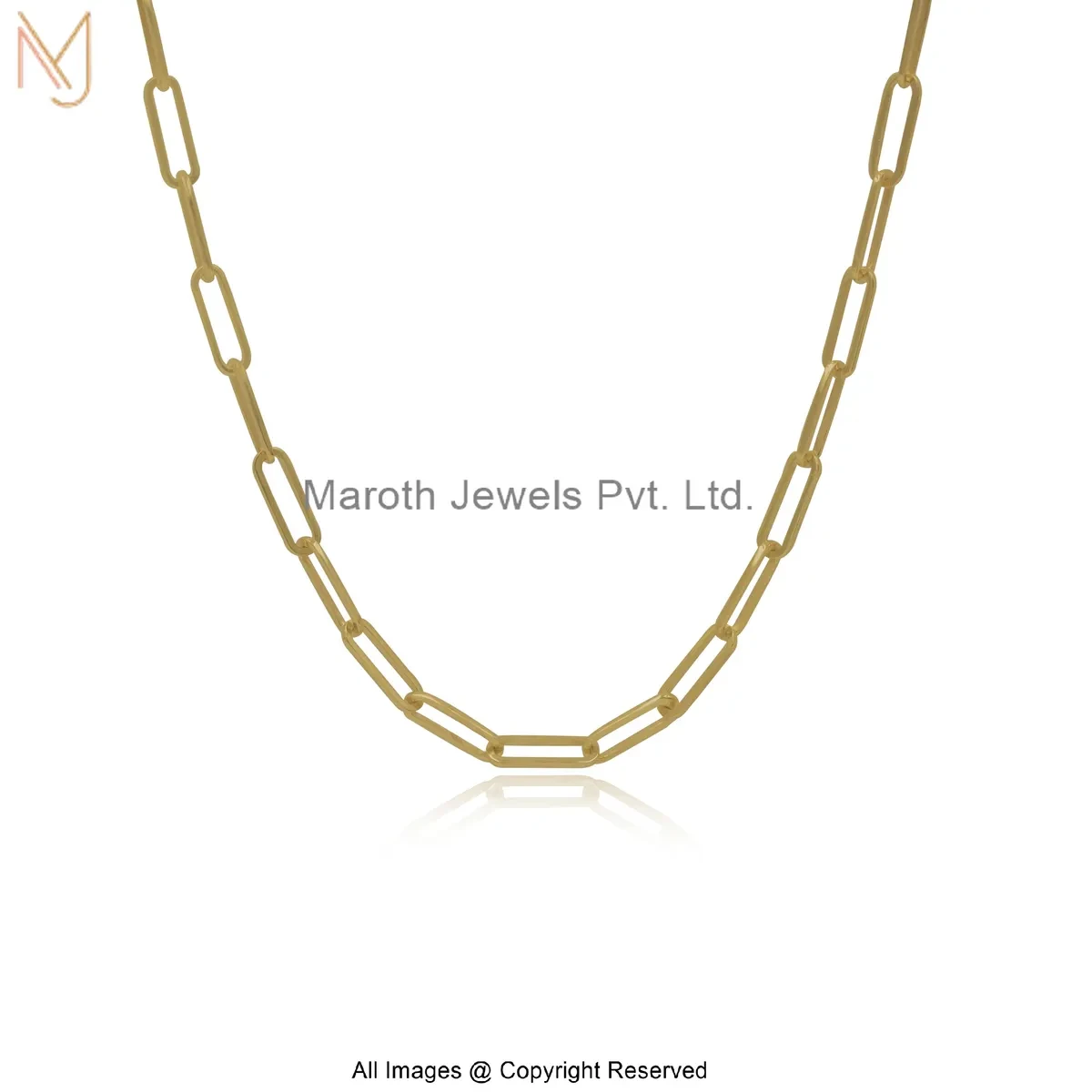
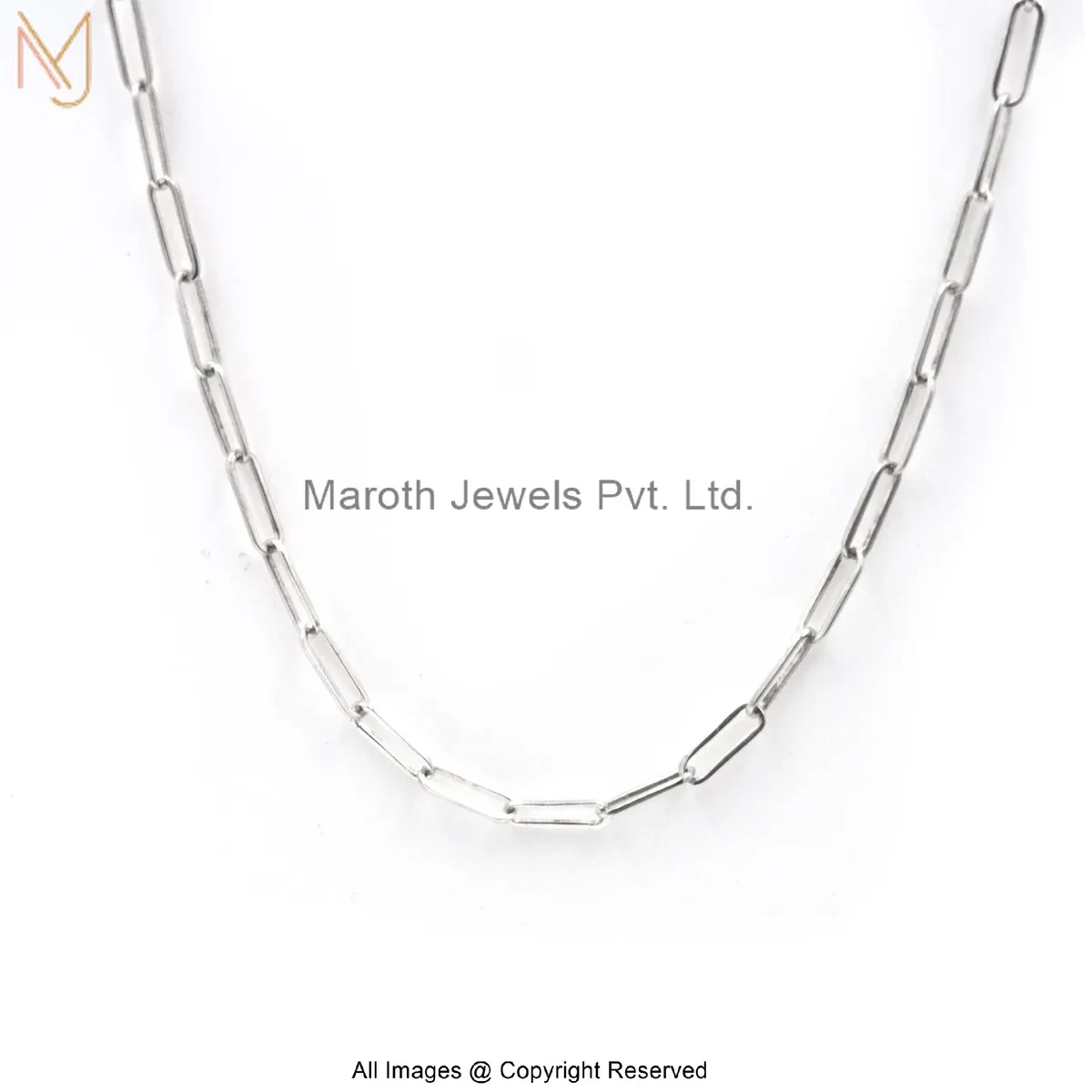
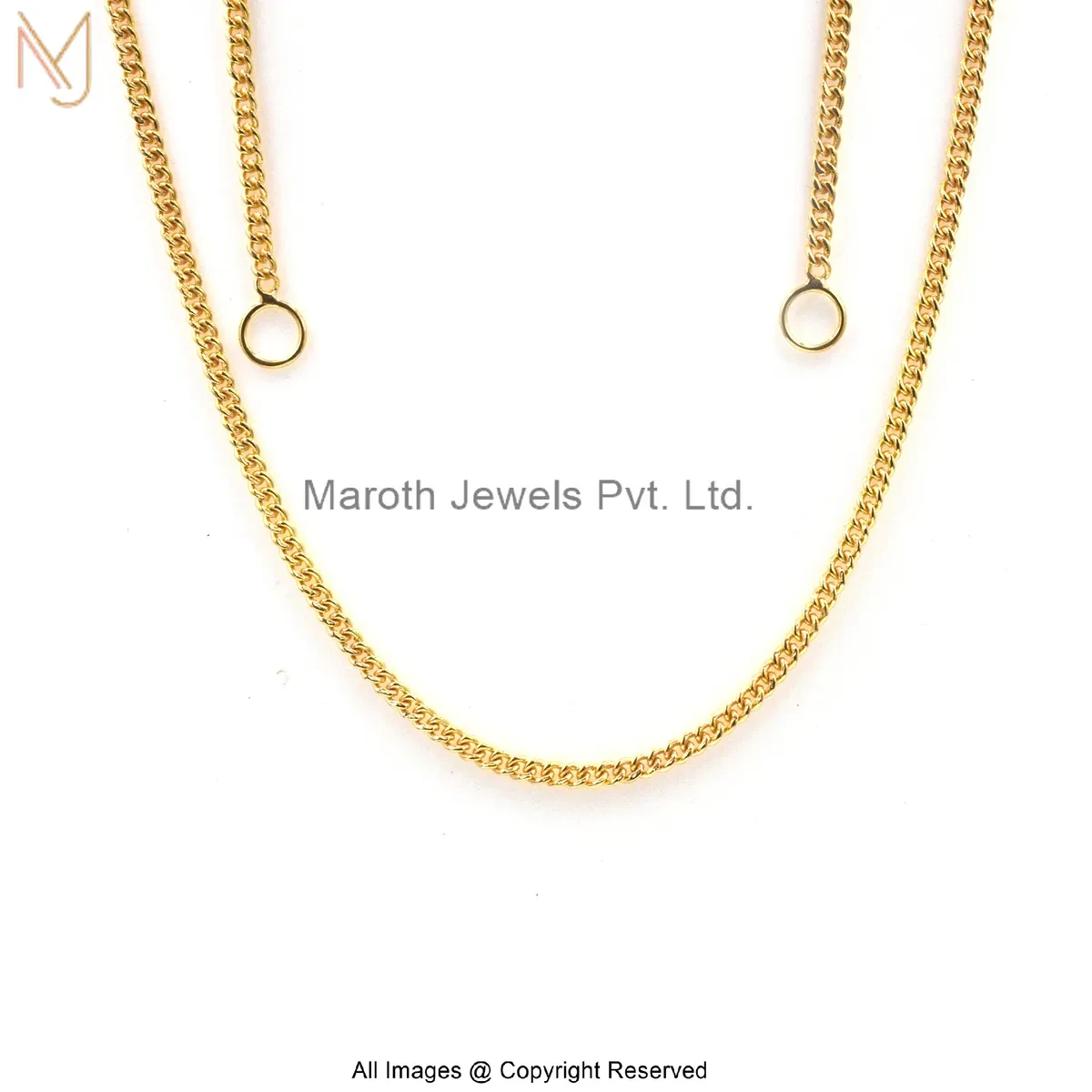
14K Yellow Gold 3mm Chain Thikness Curb Chain Necklace Jewelry Supplie
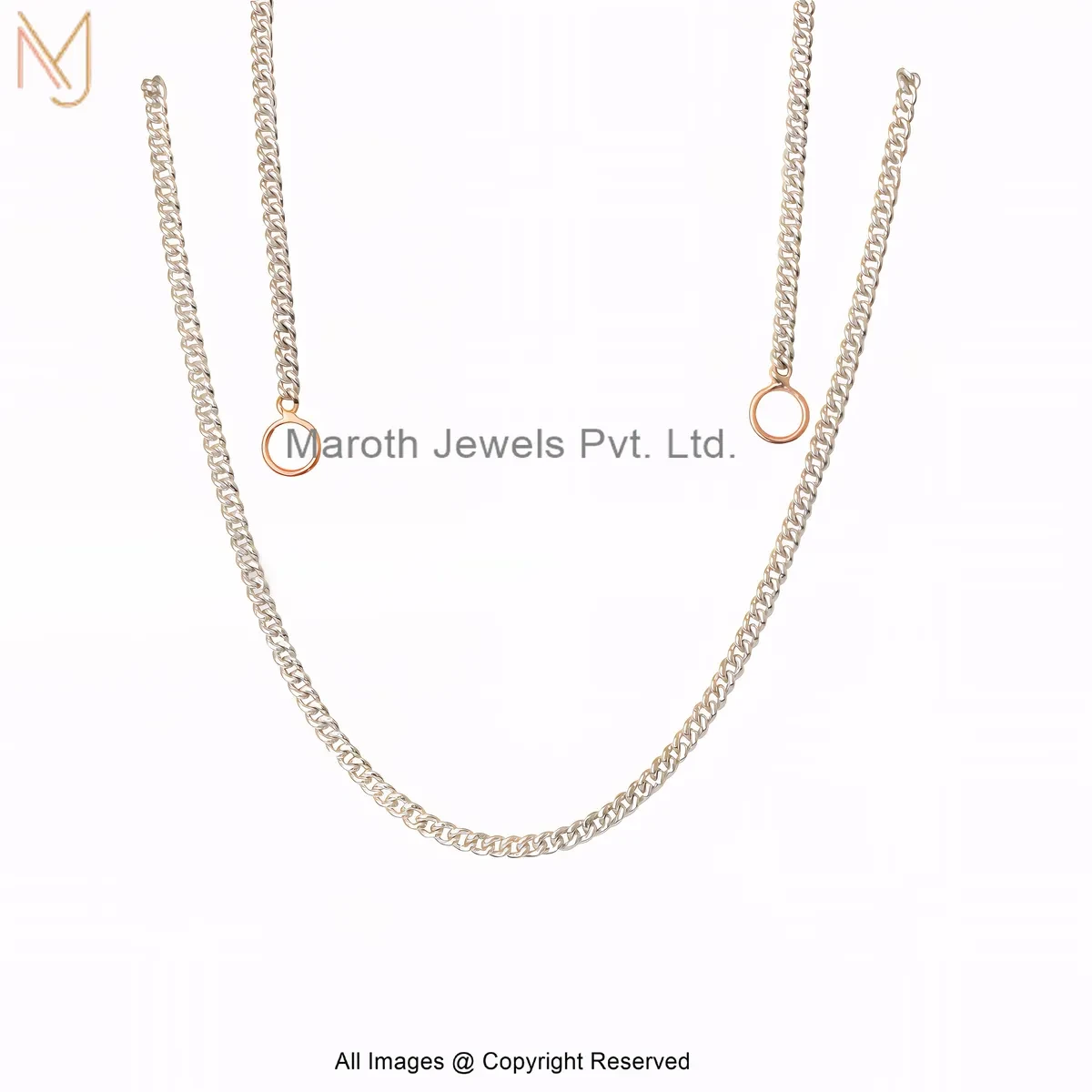
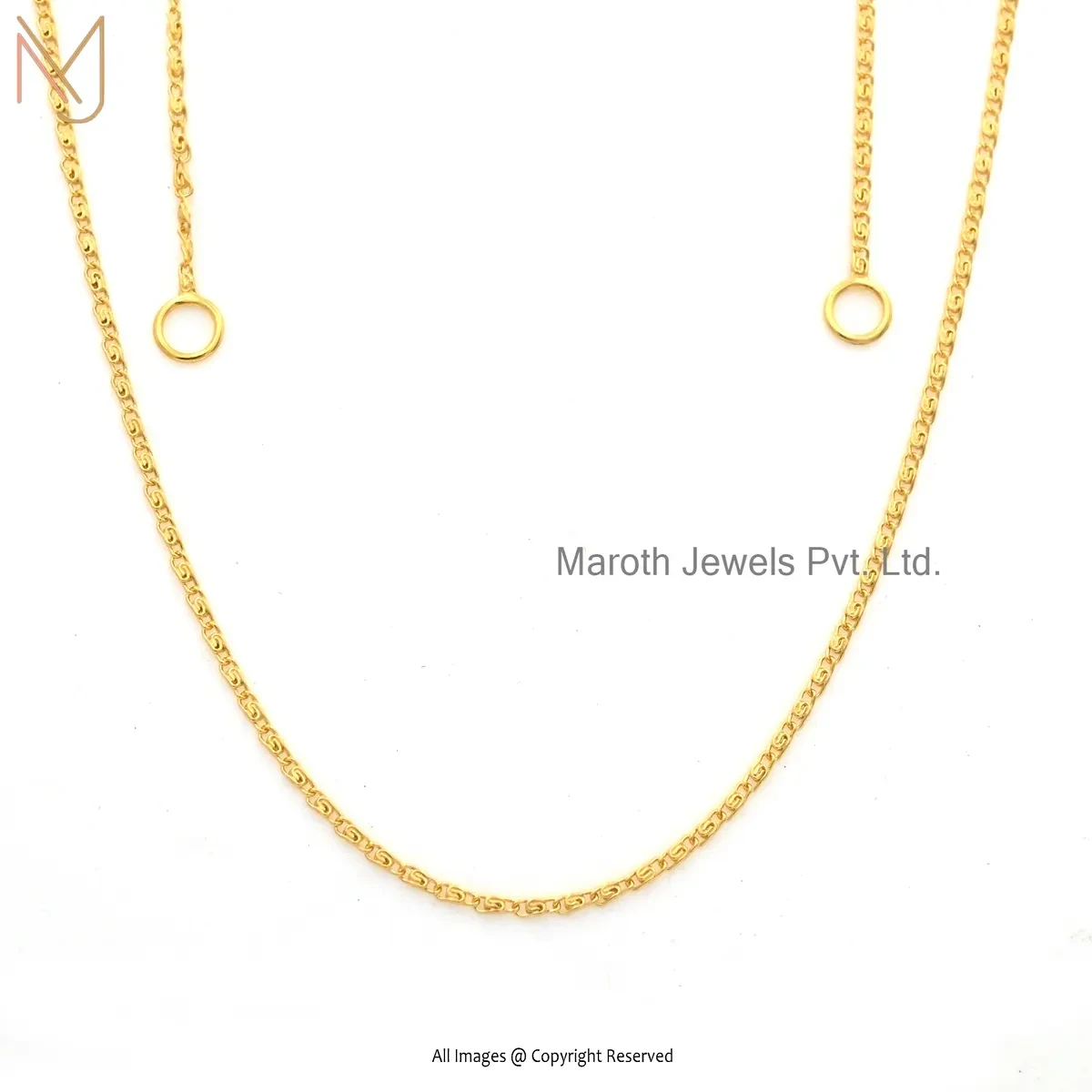
14K Yellow Gold Rolo Chain Necklace Jewelry Supplier
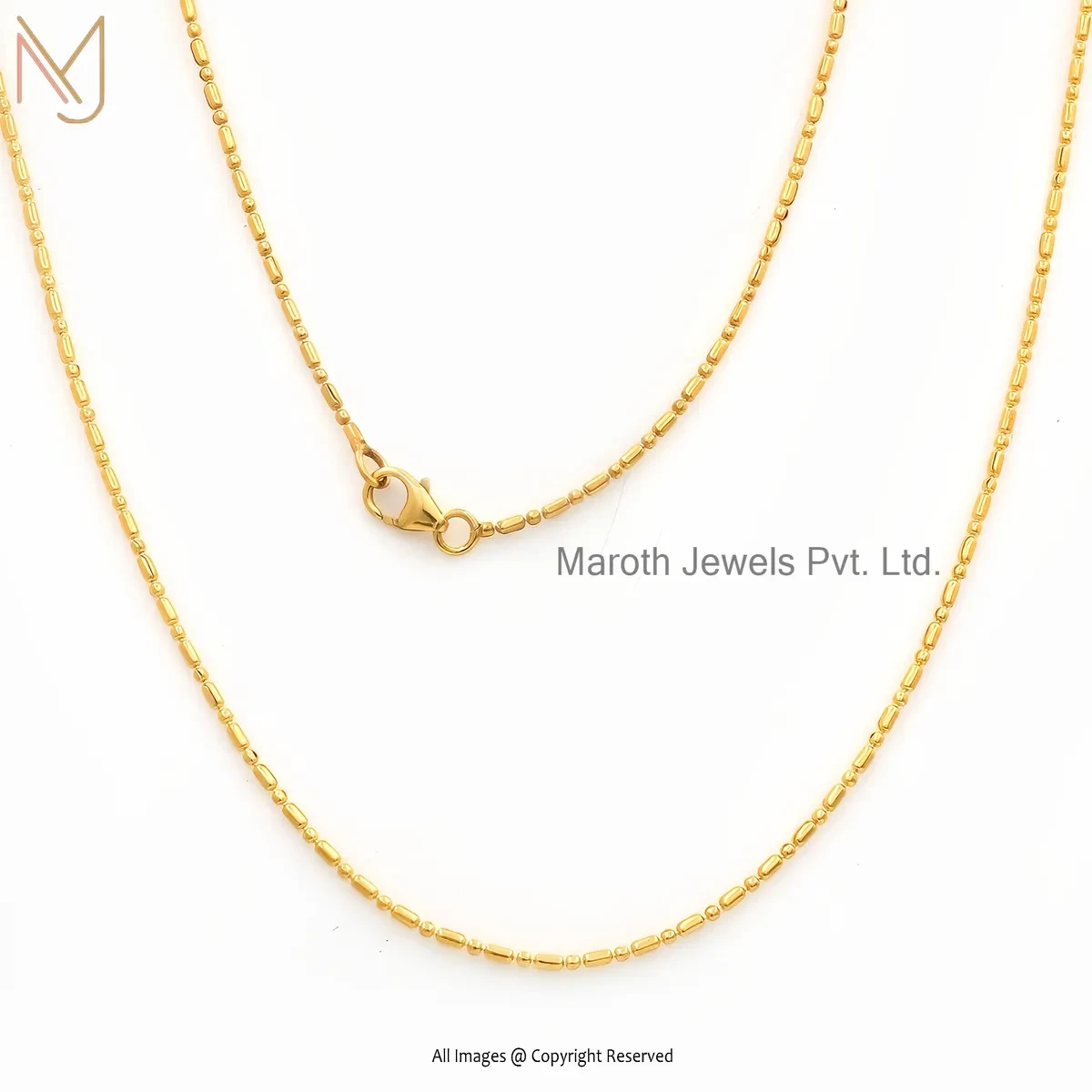
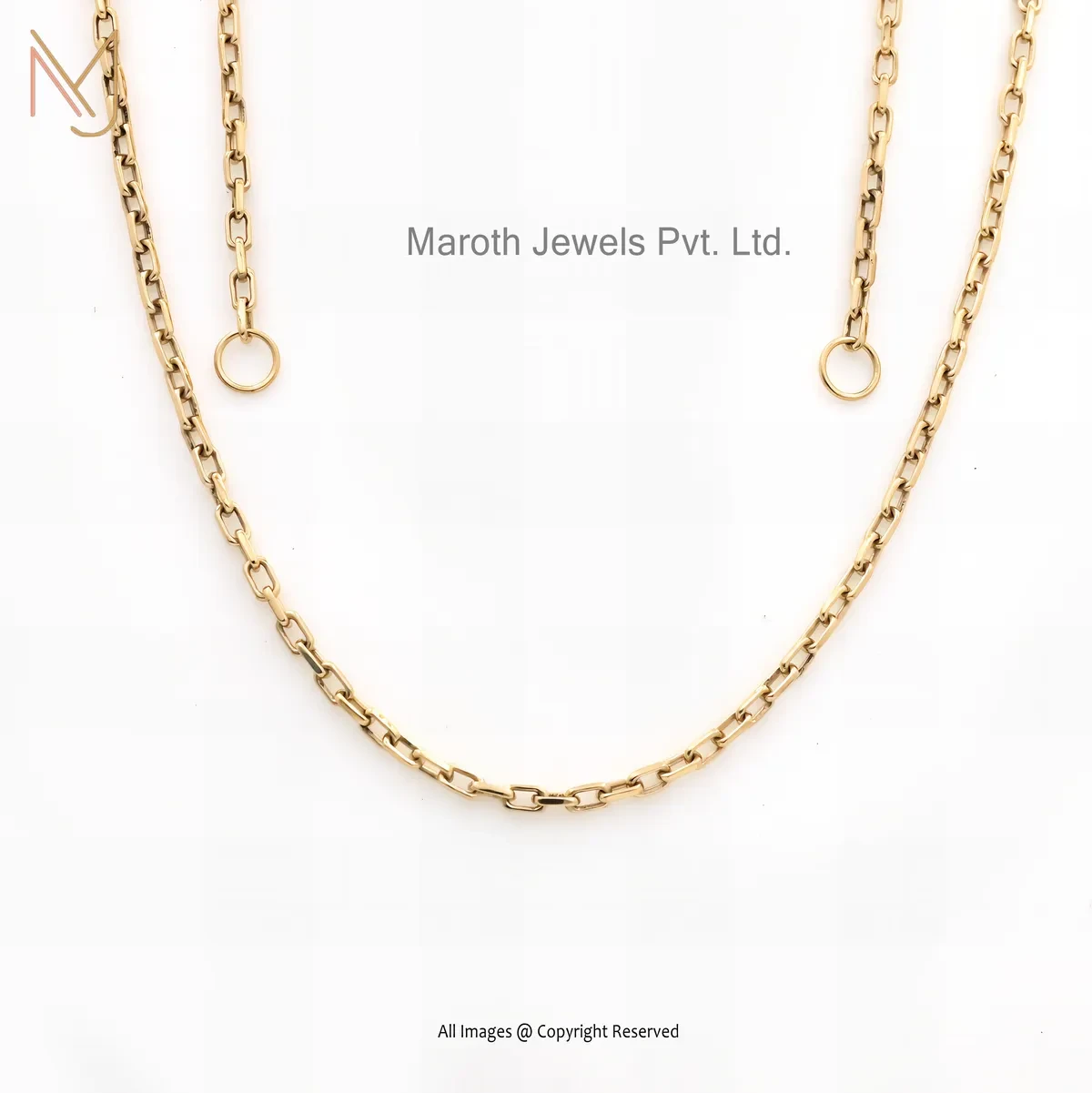
14K Yellow Gold Thin Chain Necklace Custom Jewelry
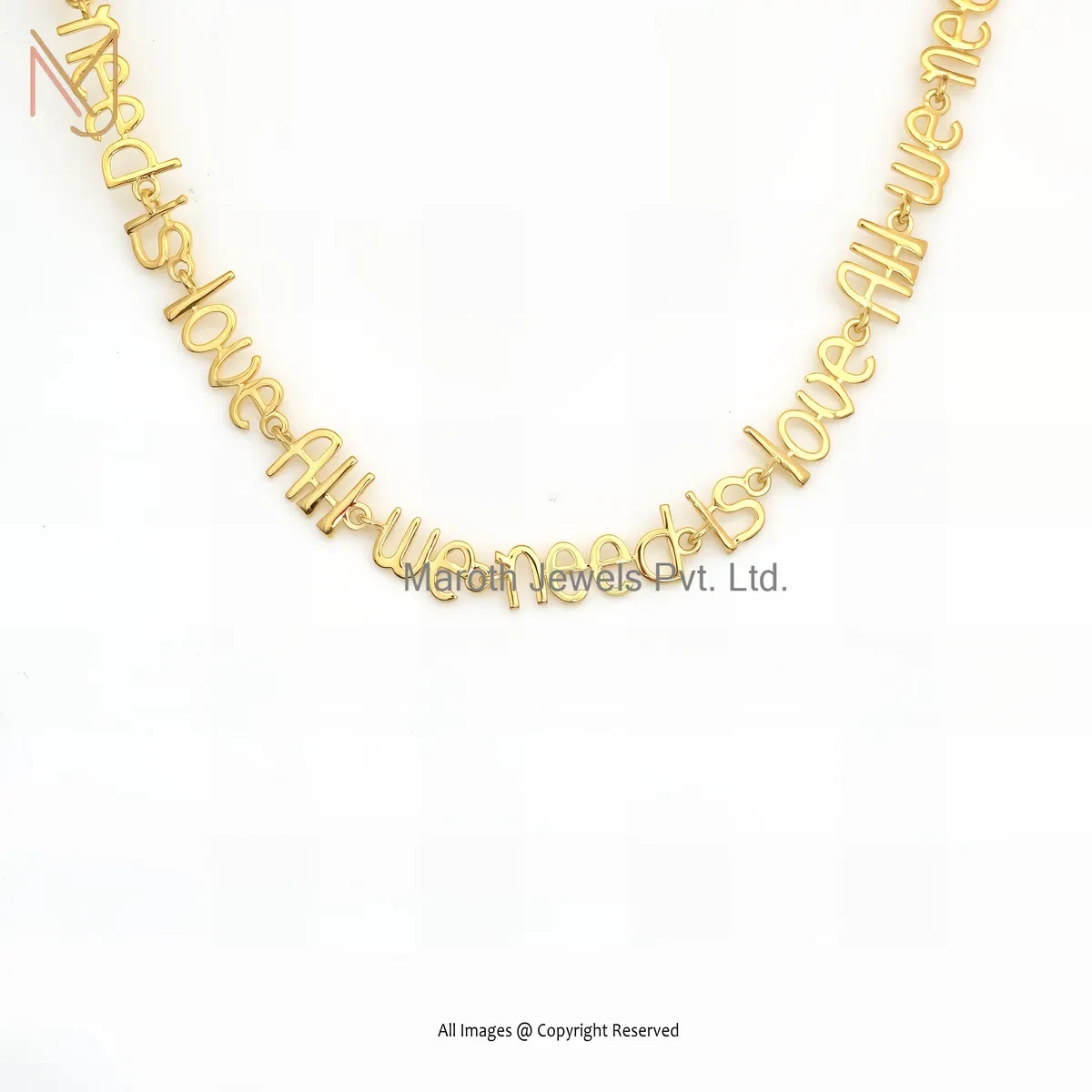

Wholesale 14K Yellow Gold Paperclip Link Chain Necklace Jewelry

14K Yellow Gold Link Charm Chain Necklace Manufacturer
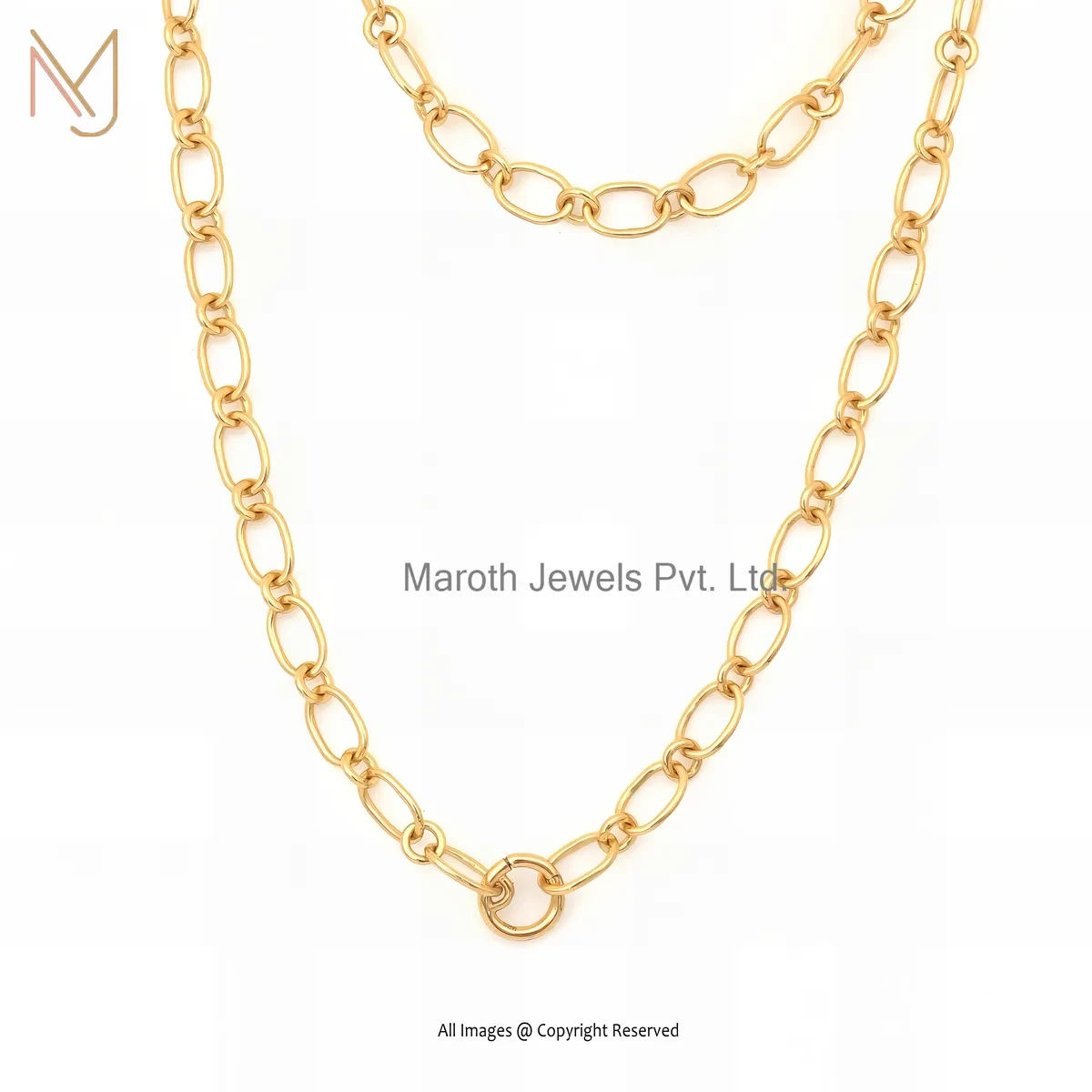
14K Yellow Gold Chain Necklace Jewelry Supplier
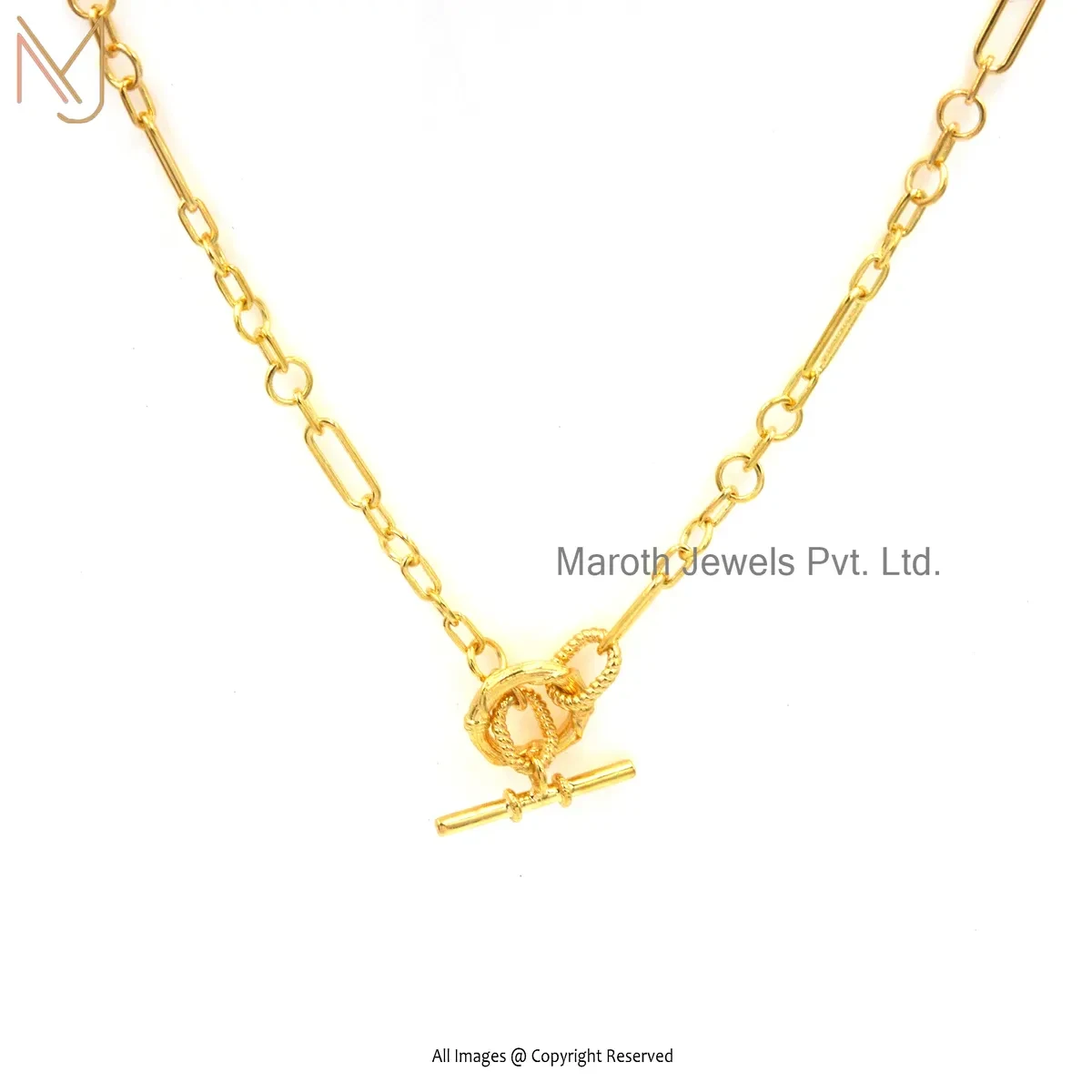
14K Yellow Gold Link Chain Necklace Custom Jewelry
Contact Us For Custom Jewelry
Please get in touch with us and share your ideas if you have personalized jewelry or are searching for a private label jewelry manufacturer. In accordance with your suggestions, we will make and present genuine jewelry.
Drop Us a Line
Scan QR Code
for immediate contact